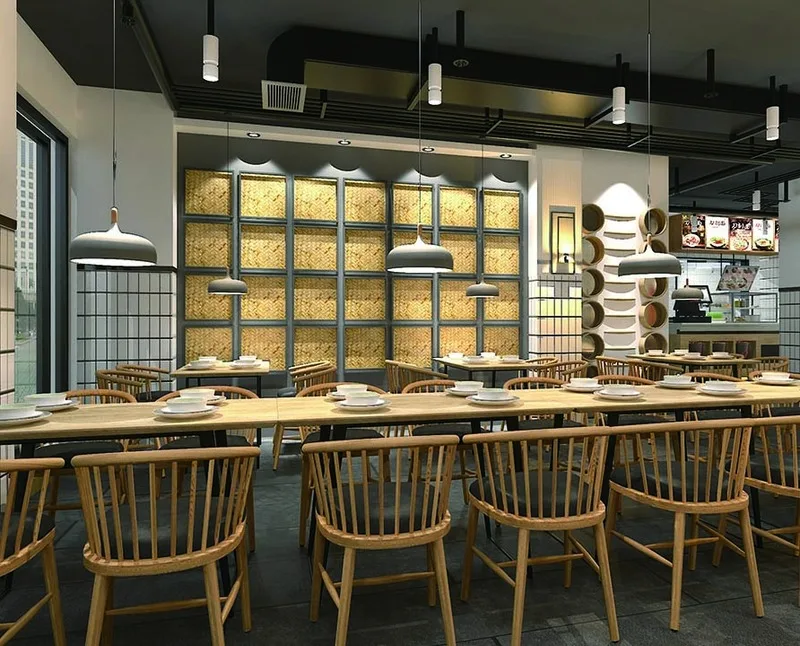
Commercial Restaurant Chairs
Contract-grade restaurant chairs built for high-turnover dining - reinforced joints, commercial upholstery and finishes that pass daily cleaning. Specified by chains, hotels and catering groups.
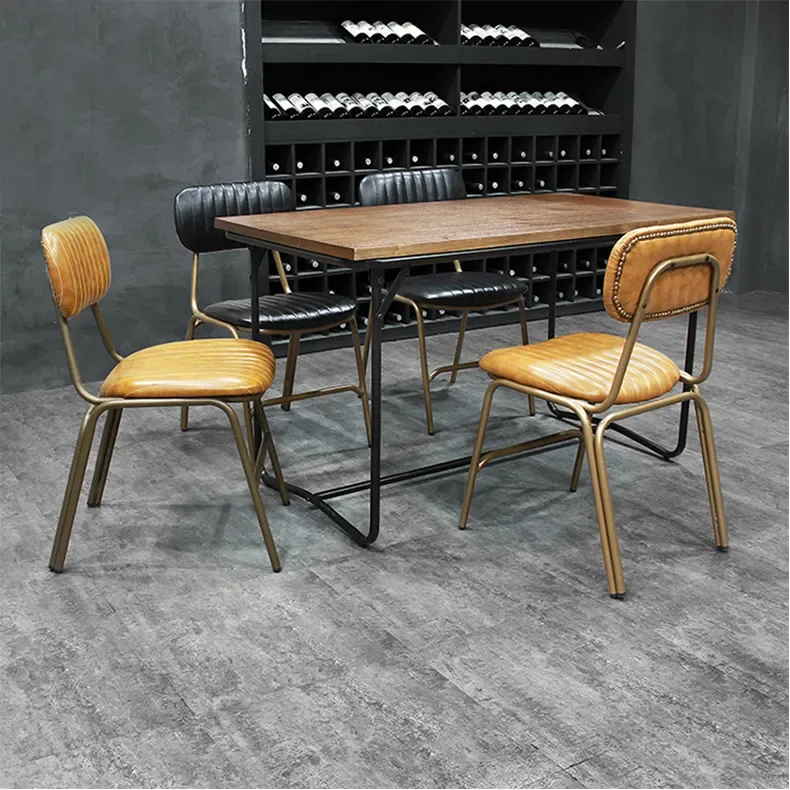
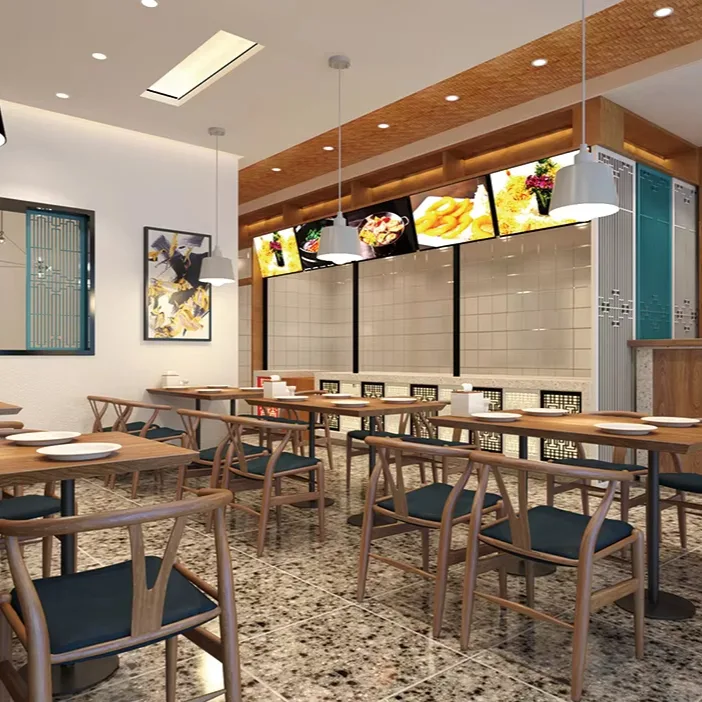
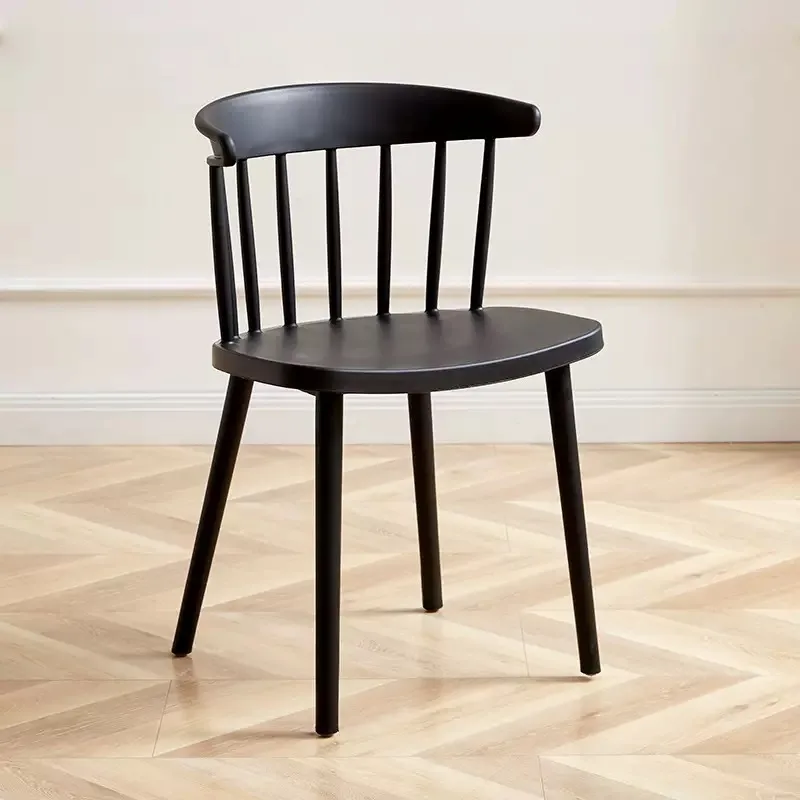
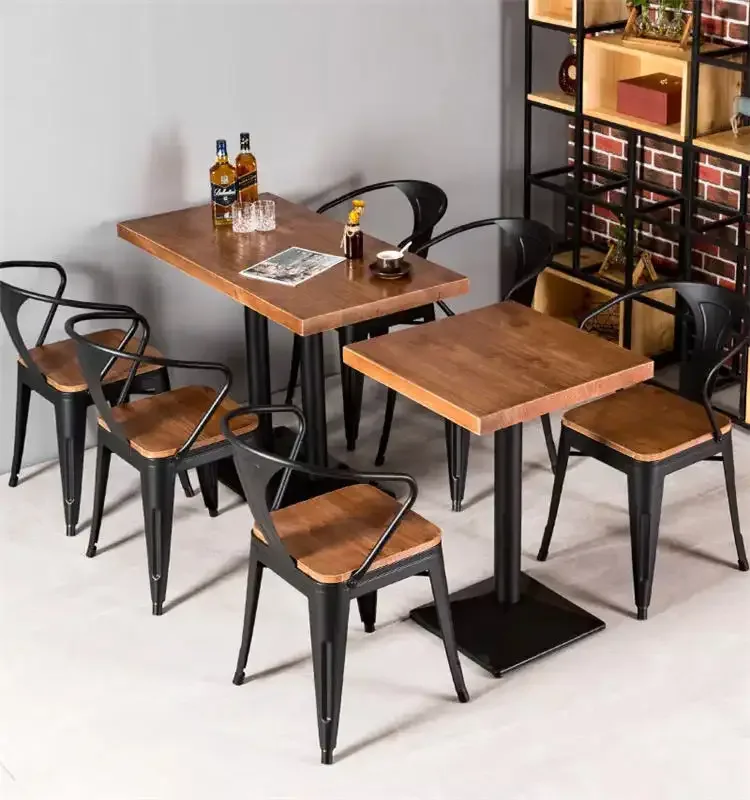
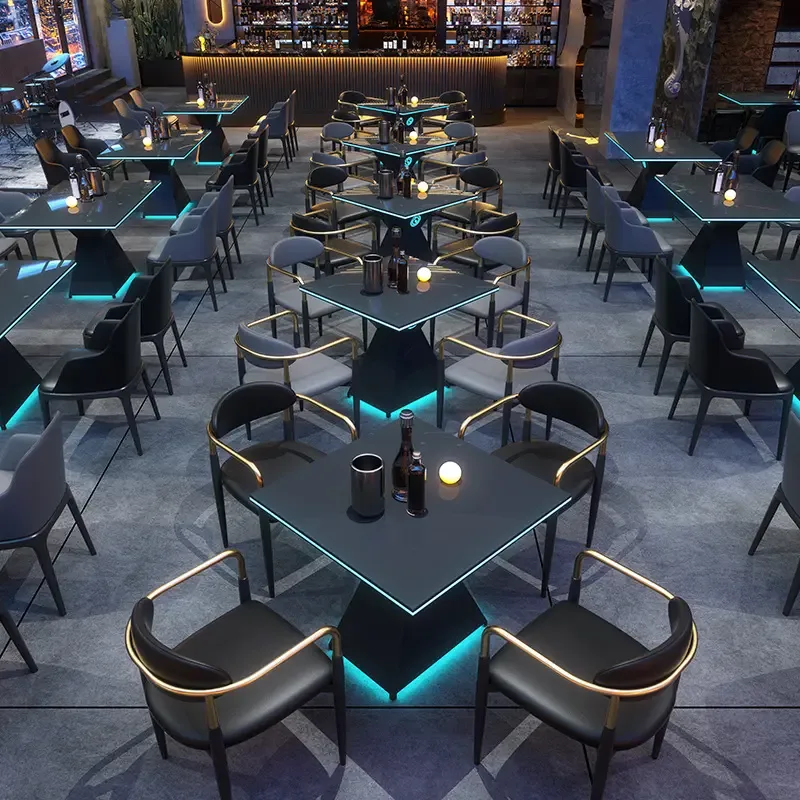
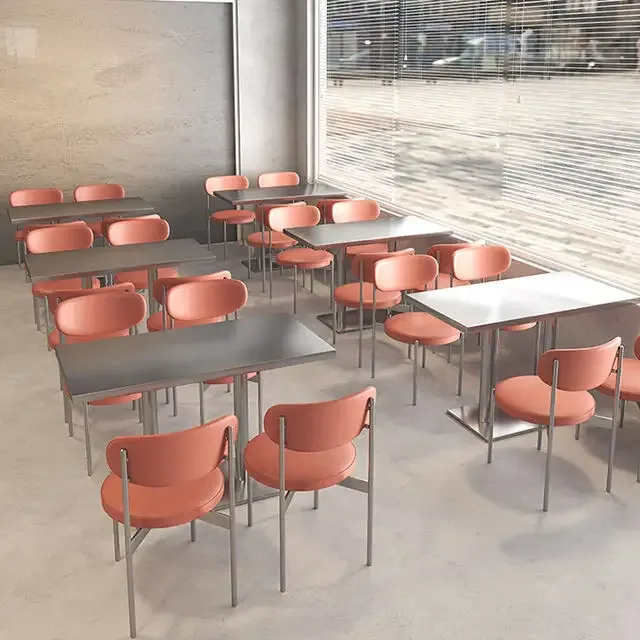
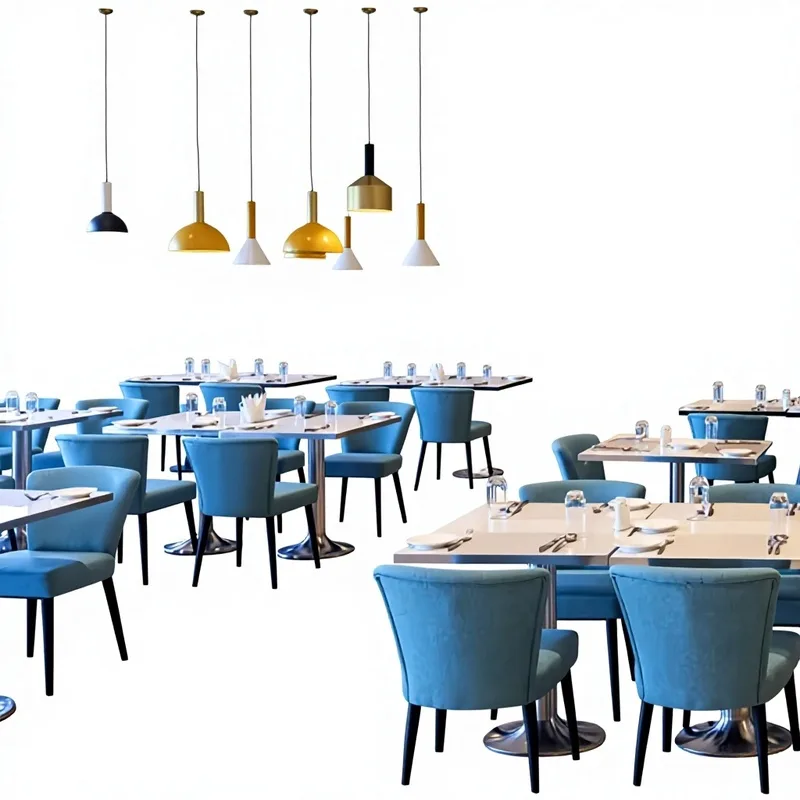
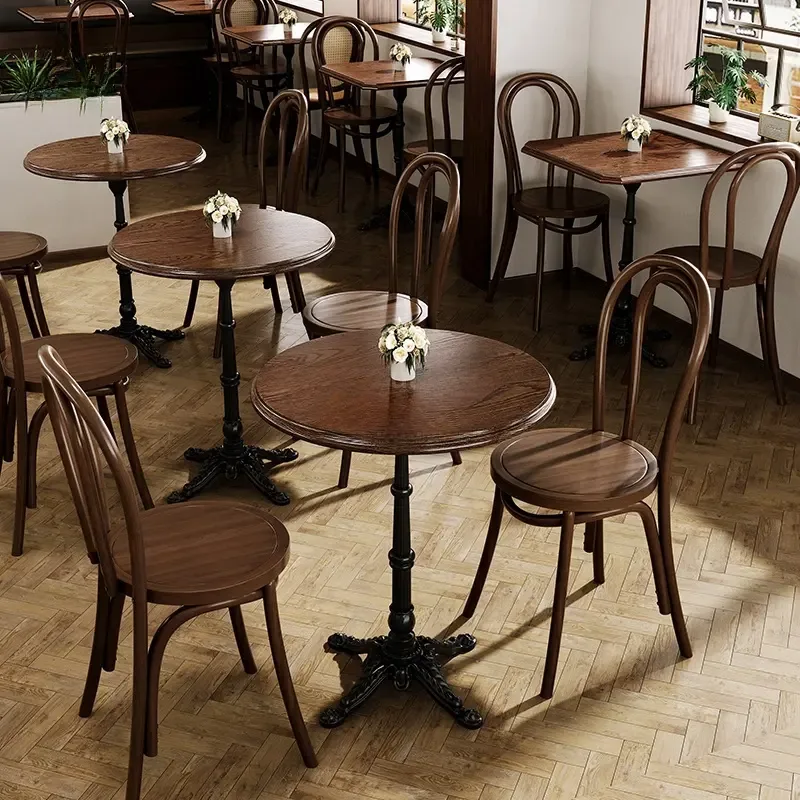
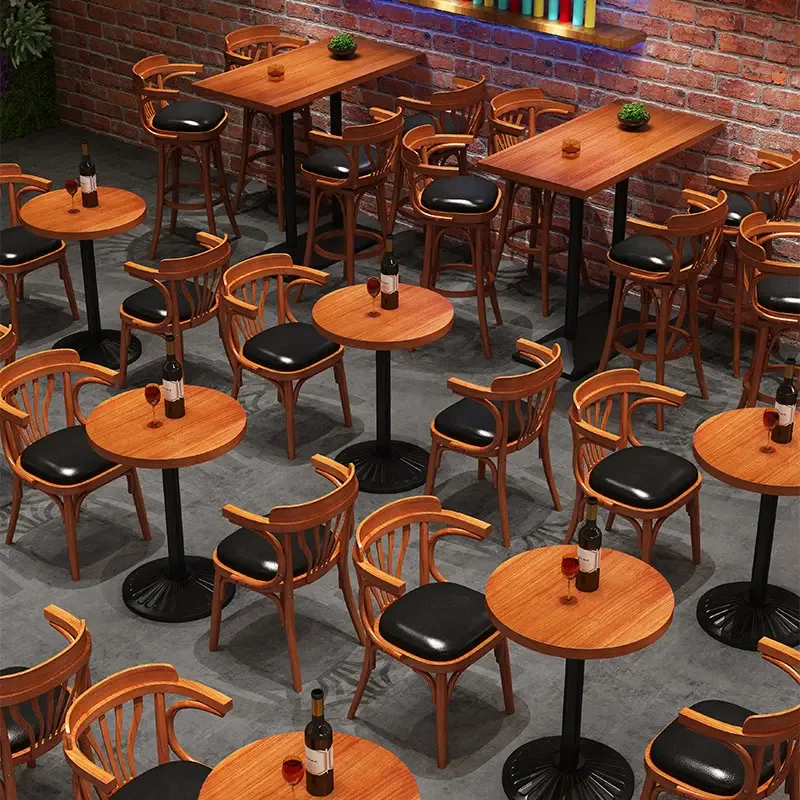
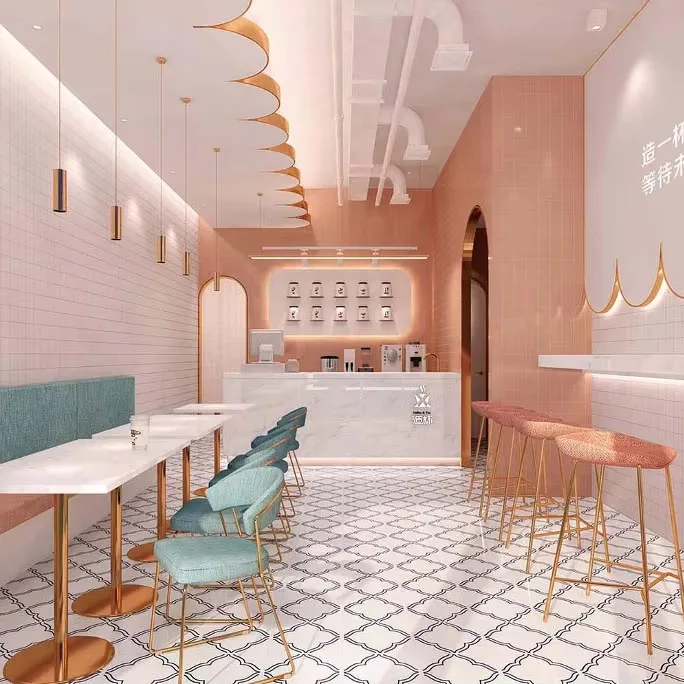
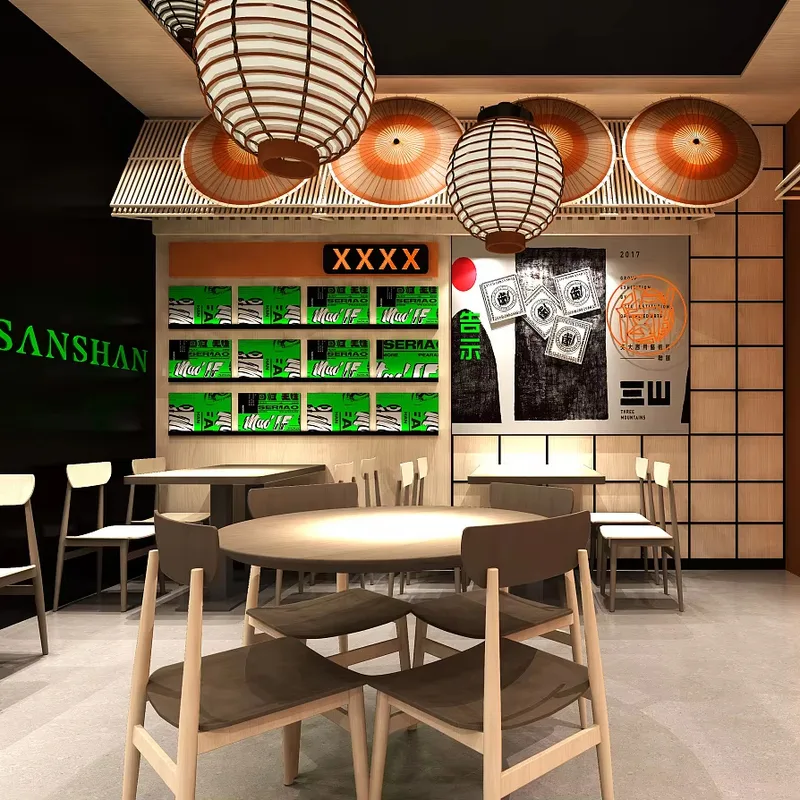
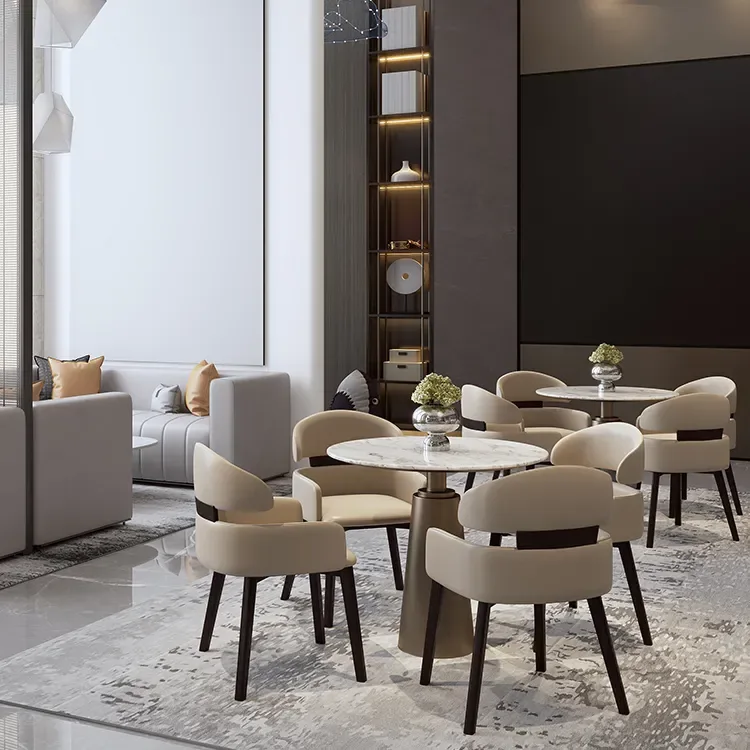
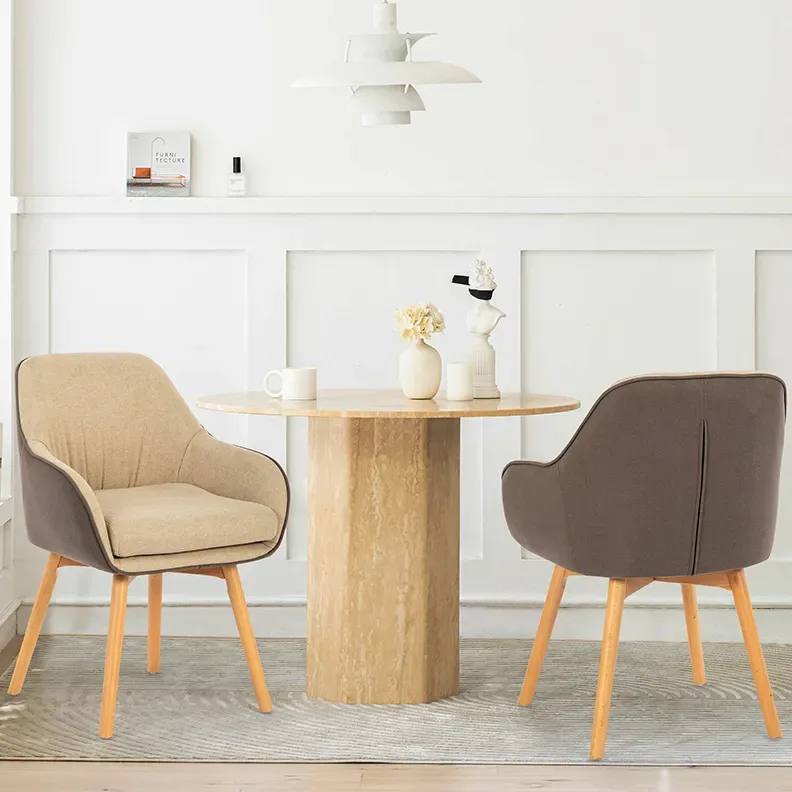
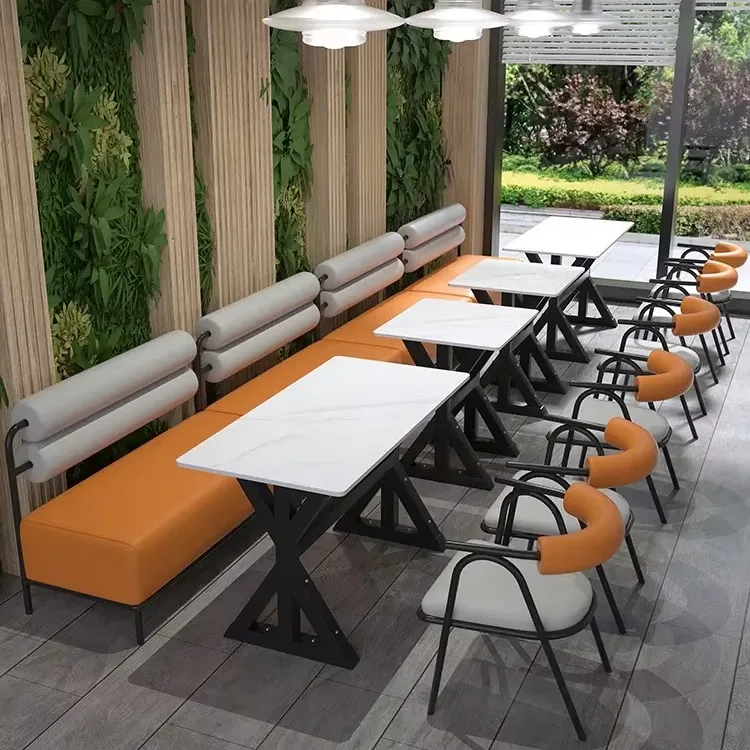
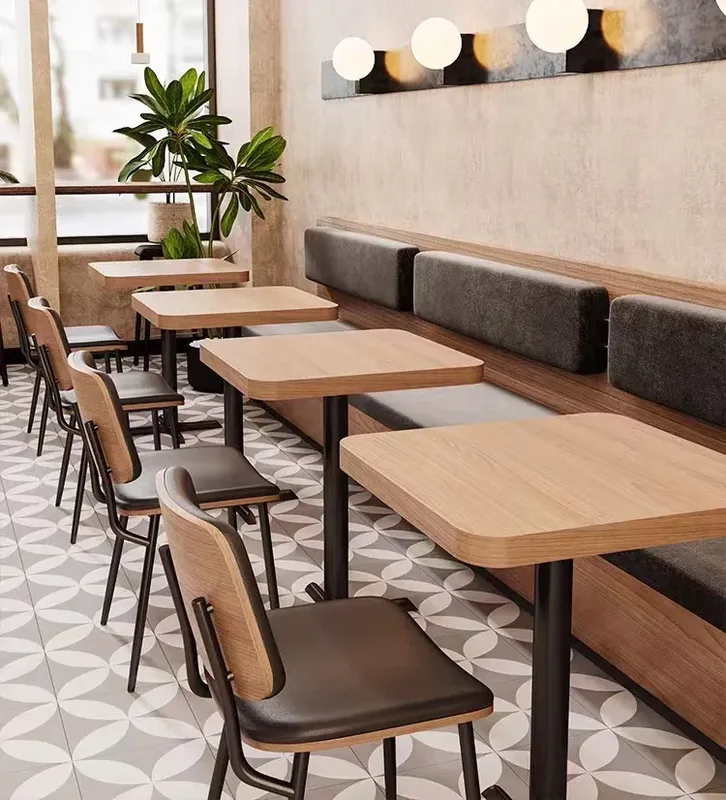
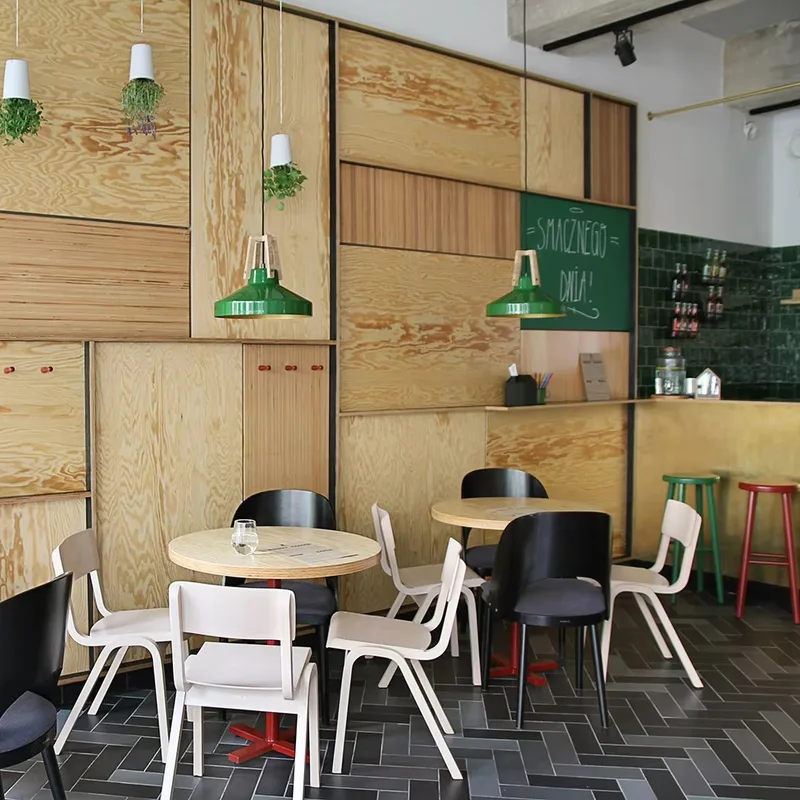
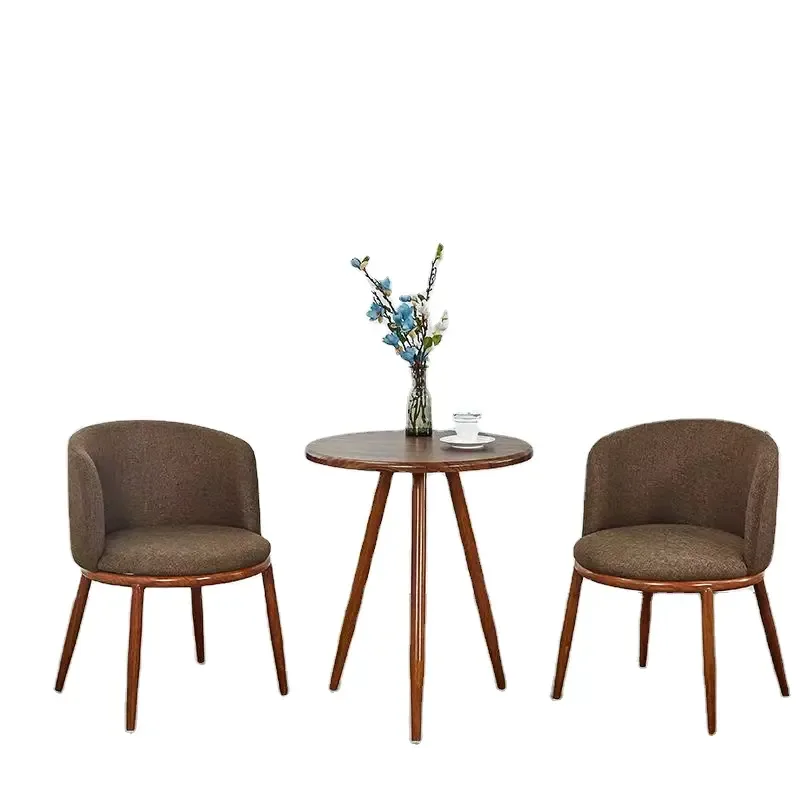
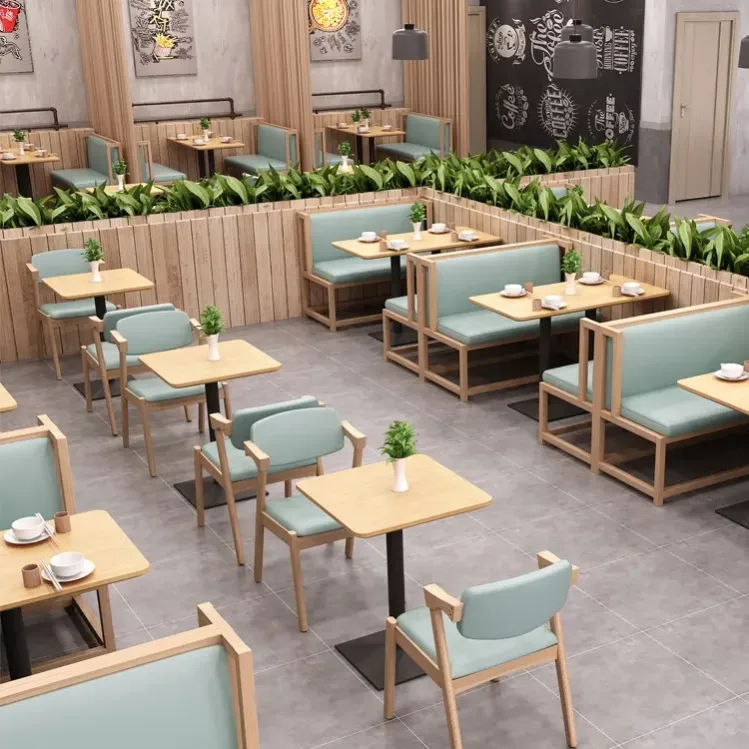
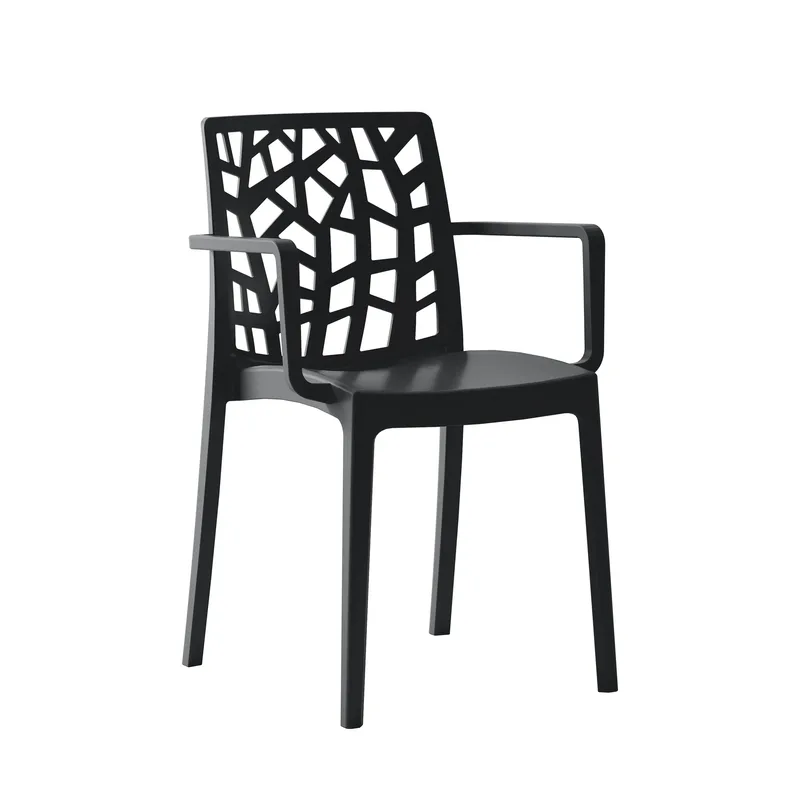
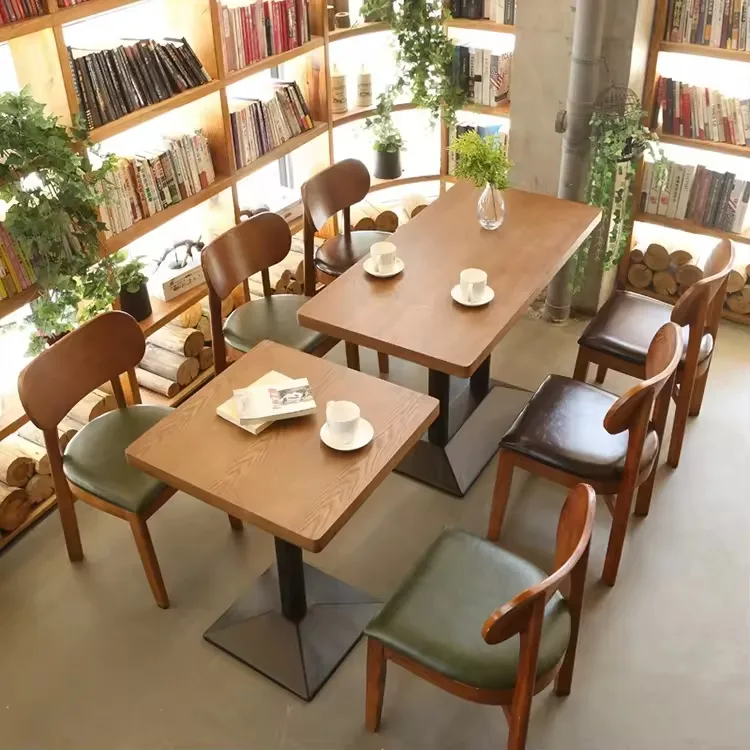
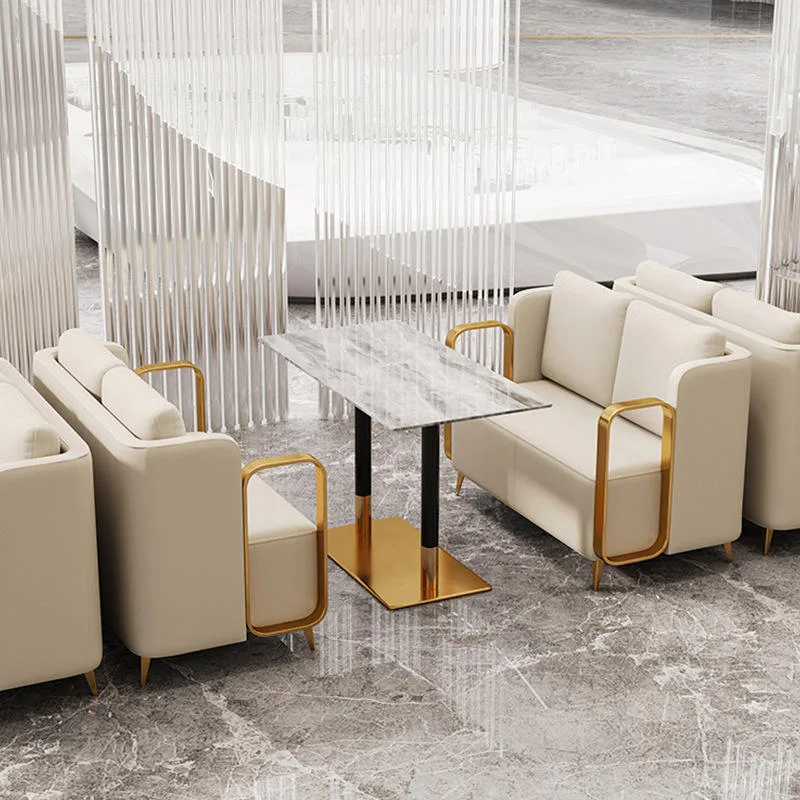
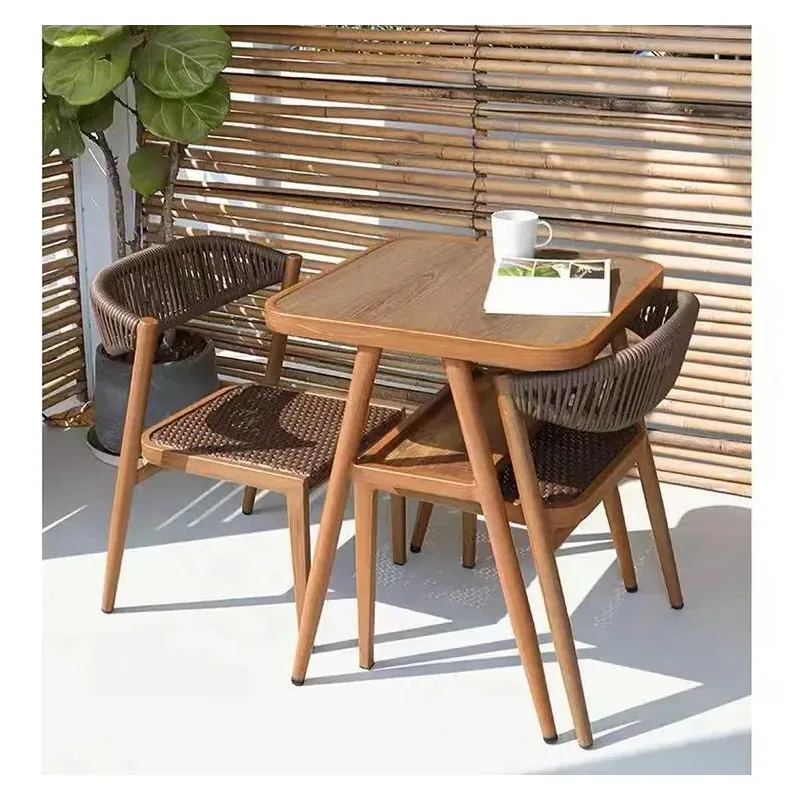
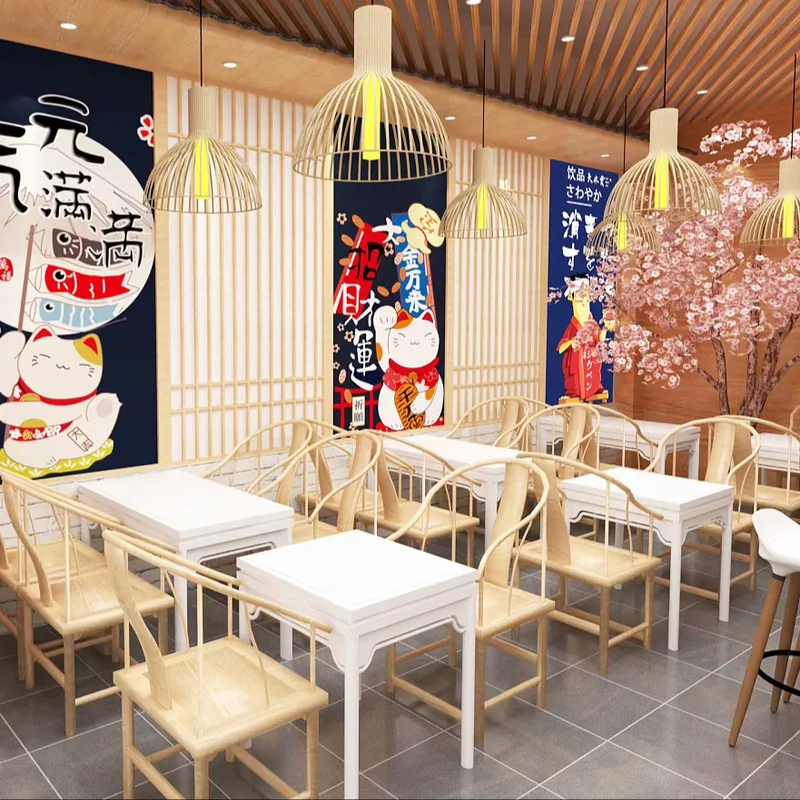
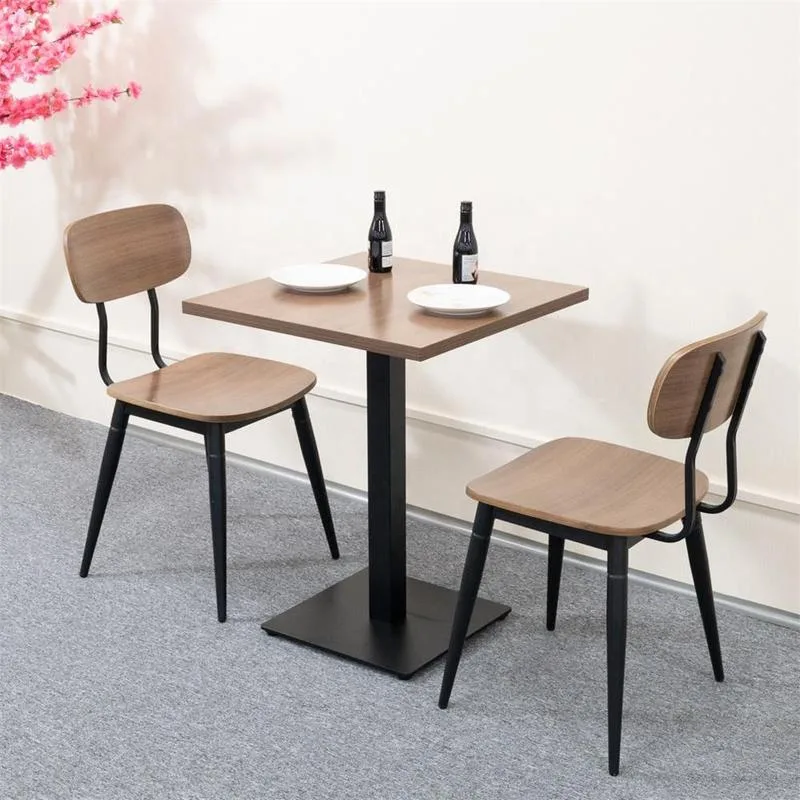
A1970
JP Classical Industrial Style Restaurant Dining Furniture
Modern · Iron/solid wood
View Details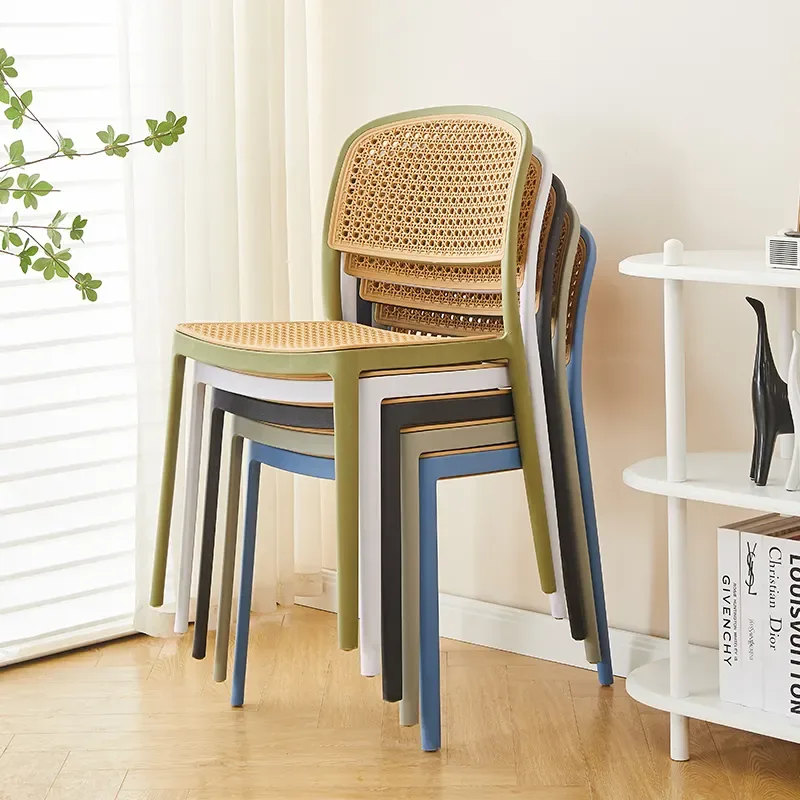
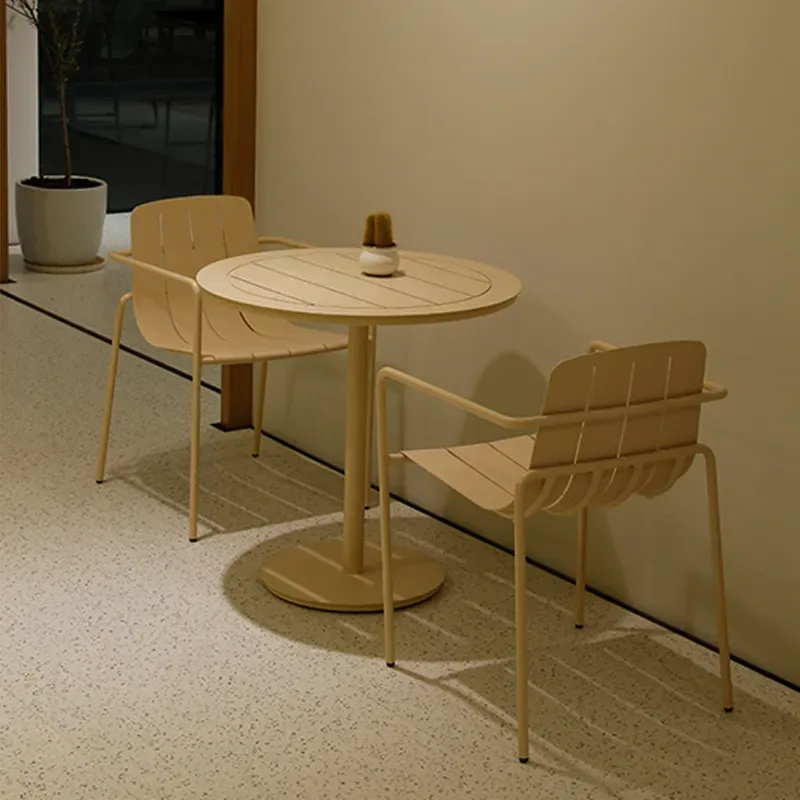
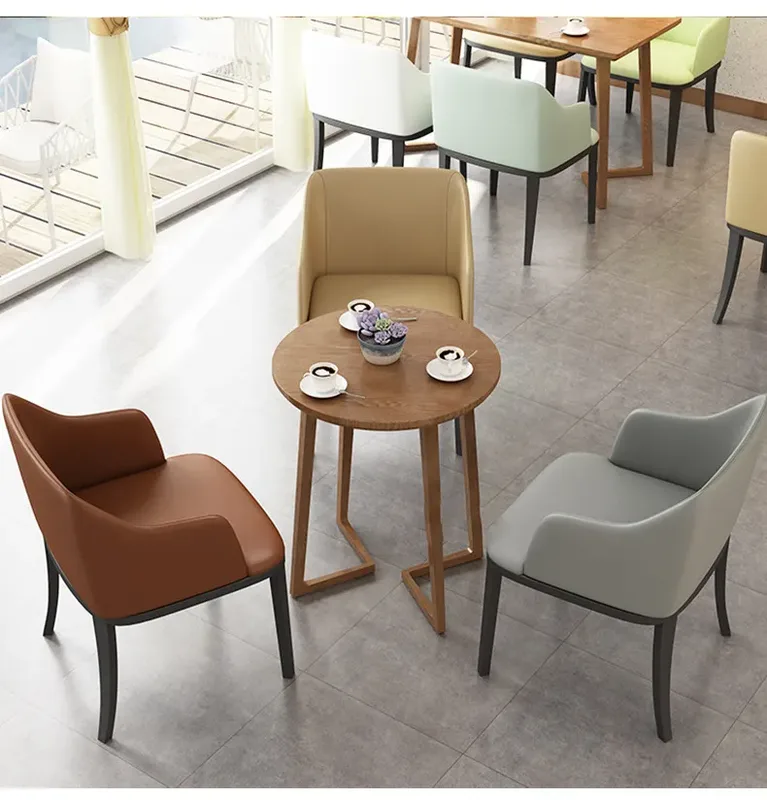
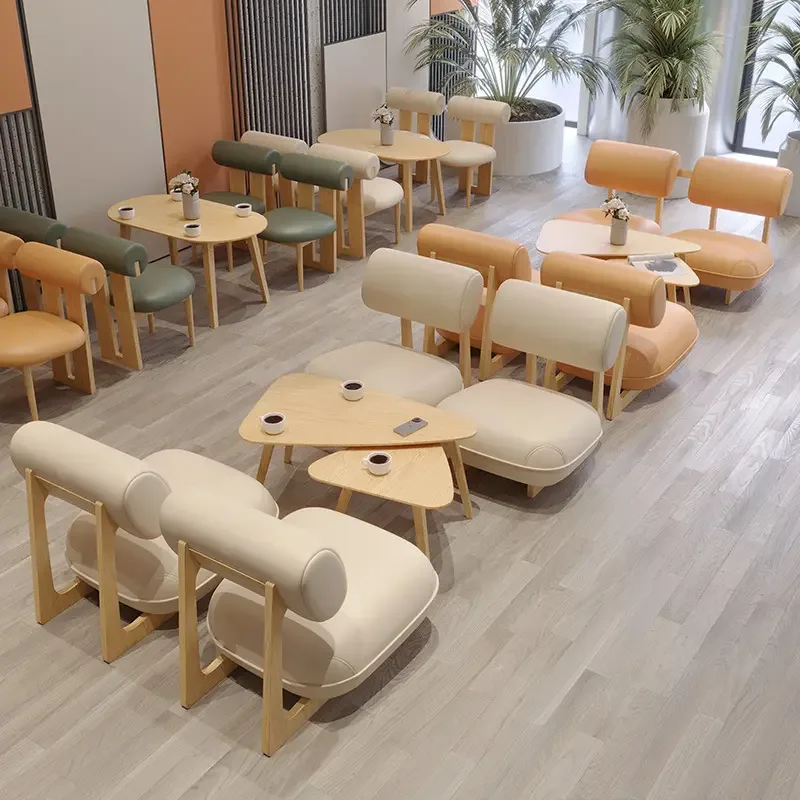
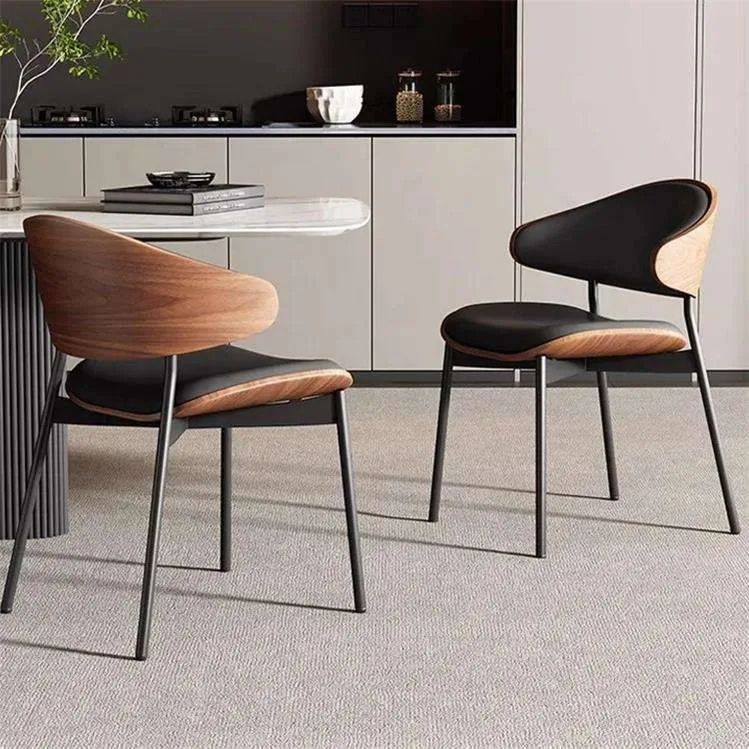
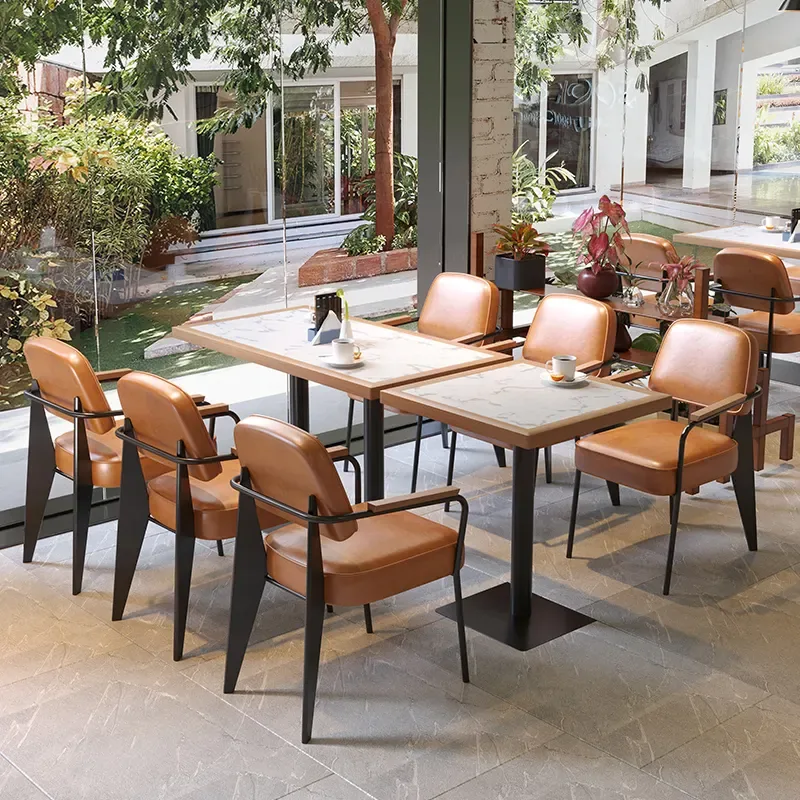
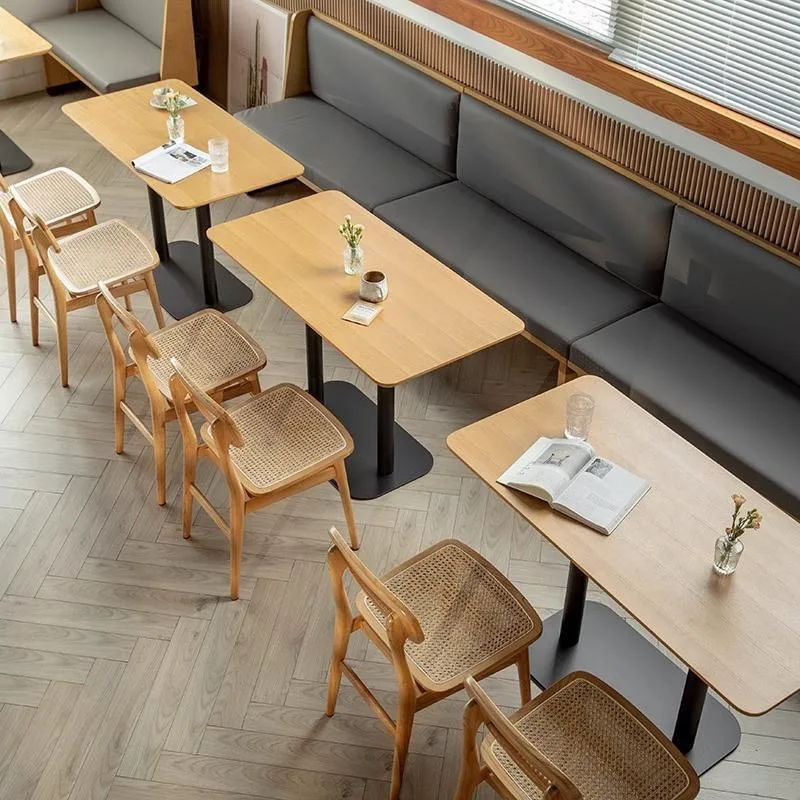
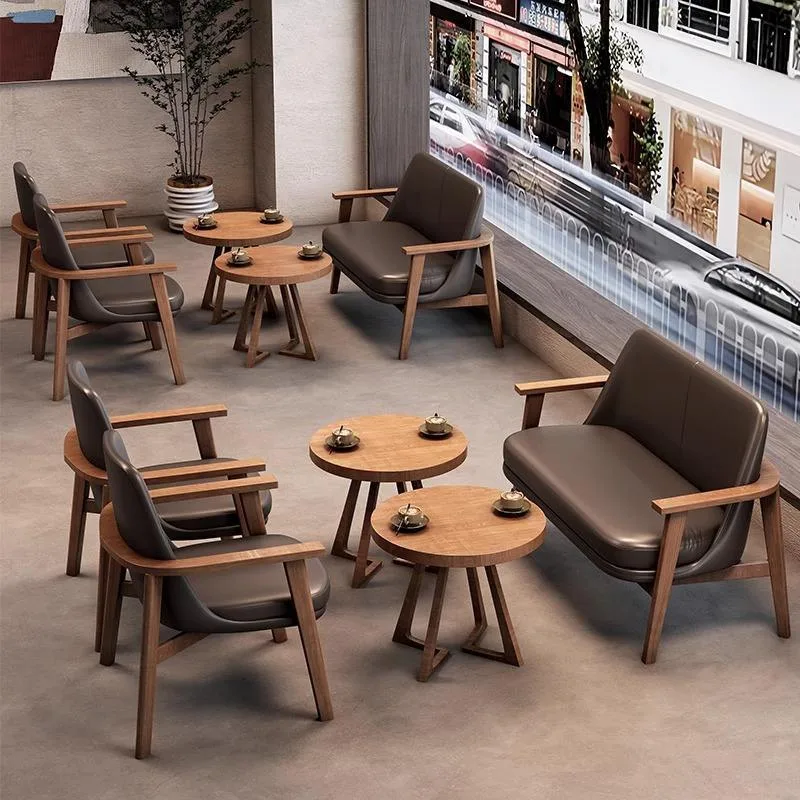
What Contract Grade Means in a Restaurant Chair
A domestic dining chair is built for a few hours of use a week. A restaurant chair is pulled out, pushed back, wiped down and knocked into a table edge dozens of times a shift. The difference is in the joints, the finish and the way the frame is tested — not in how it looks in a photograph.
Contract grade furniture: joints and load
Contract furniture is specified against repeat loading rather than a single static weight. We build restaurant chair frames with mortise-and-tenon or fully welded joints, corner blocks on wooden seats and reinforced leg rails, then check the assembled chair for racking — the sideways wobble that appears long before a joint actually breaks. Heavy duty restaurant chairs add a thicker rail, a second cross stretcher and a higher-density seat foam for sites running more than two sittings an evening.
Where a project calls for ANSI/BIFMA X5.1 or EN 16139 strength and cycle testing, the chair is built to the level named in the specification and third-party testing is arranged before shipment. Ask for the test scope you need at quotation stage, because the frame construction follows from it.
Commercial upholstery and finishes
Commercial grade furniture has to survive daily cleaning with diluted disinfectant. Seats are upholstered in contract vinyl or abrasion-rated fabric with a closed, wipeable surface; timber is sealed with a commercial lacquer or hard-wax oil that can be spot-repaired on site. Stitching is double-locked at stress points and the underside is closed so moisture cannot wick into the foam.
Frame materials
Solid oak, ash and beech give the warm look most dining rooms want and can be re-finished years later. Powder-coated steel is the usual choice for high-turnover and stacking models; stainless steel suits coastal and wet areas; aluminium keeps weight down where staff move chairs several times a day. Each frame can be matched to a commercial table top and base so the whole room reads as one specification.
Restaurant Chair Specifications
The chair types we produce most often. Seat height is measured to the front of the seat; all dimensions can be adjusted against a drawing or an existing sample.
| Chair type | Seat height | Frame | Stacks | Typical area |
|---|---|---|---|---|
| Standard dining chair | 45–47 cm | Solid wood / steel | No or 2–4 high | Main dining floor |
| Bistro dining chair | 45–46 cm | Steel / bentwood / woven | 4–6 high | Cafe, pavement, small tables |
| Banquet / stacking chair | 46–48 cm | Steel / aluminium | 8–10 high | Function room, ballroom |
| Counter & bar stool | 65 / 75 cm | Steel / solid wood | No | Restaurant counter, bar |
| Lounge & lobby chair | 40–43 cm | Solid wood / upholstered steel | No | Hotel lobby, waiting area |
| Outdoor chair | 44–46 cm | Aluminium / teak / woven | 4–6 high | Terrace, garden, patio |
Allow 27–30 cm between the seat and the underside of a 75 cm dining table, and leave roughly 60 cm of width per cover along a table edge. Chairs that stack are worth specifying wherever a room has to be cleared for cleaning or re-laid for an event.
Choosing Seating in a Restaurant, Area by Area
One chair rarely suits every part of a venue. Most projects split seating into two or three specifications and repeat them across the floor plan.
Main dining floor
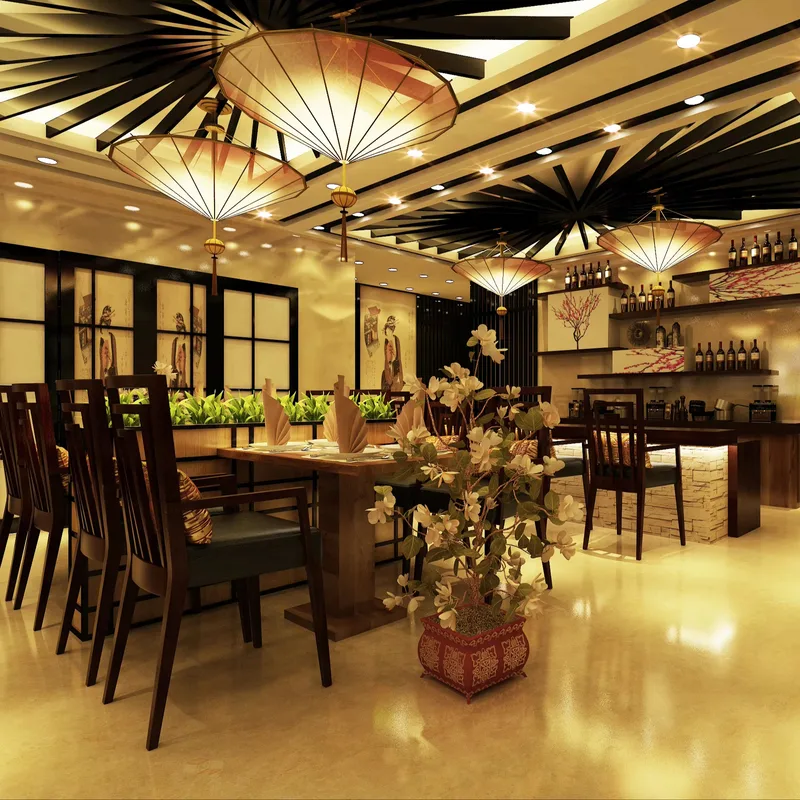
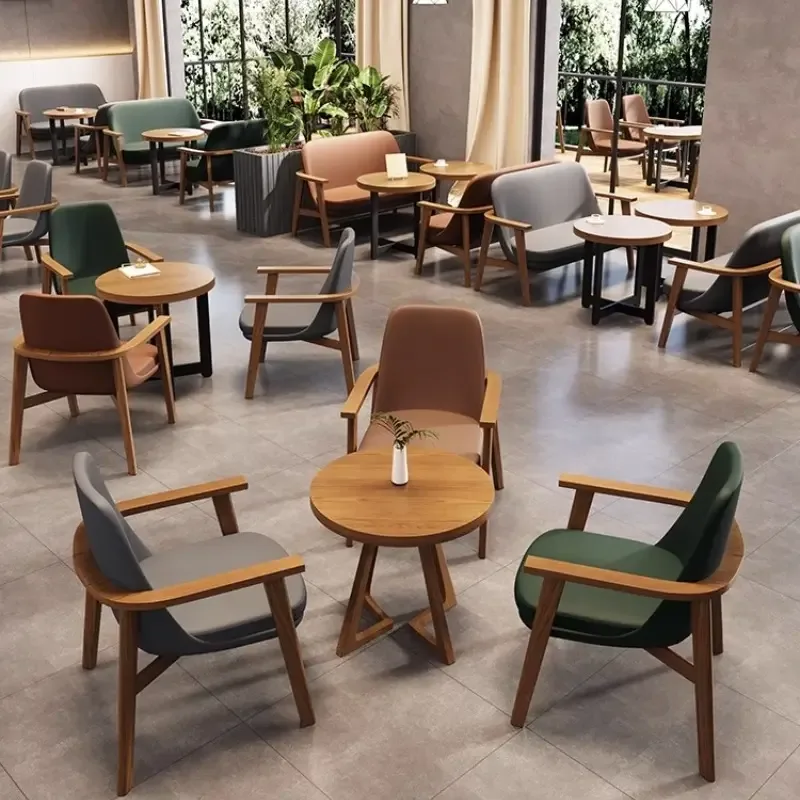
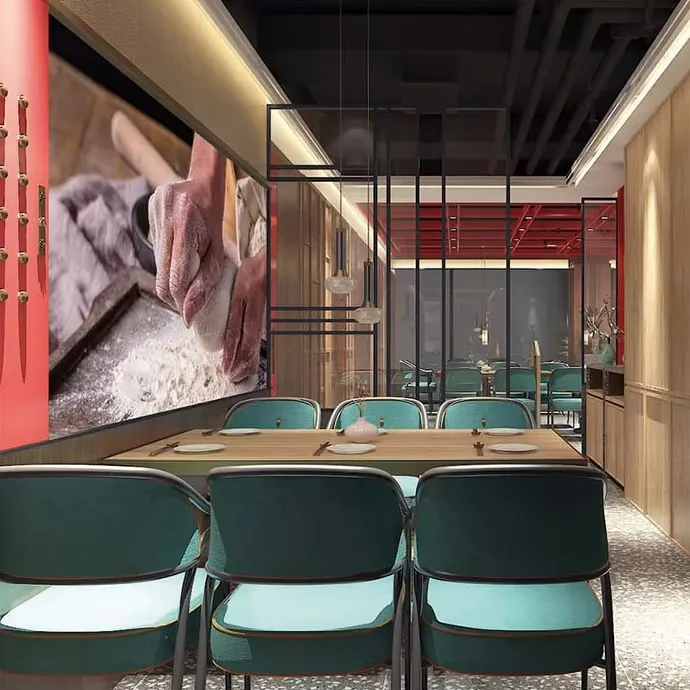
The restaurant chair on the main floor sets the tone of the room and takes the heaviest use. Armless models with a slightly tapered back tuck under a table without catching the edge, which is why they remain the default for two- and four-seat layouts. Where a floor plan mixes table sizes, keeping one chair model across the room makes replacement and re-ordering simple.
Bar, counter and bistro
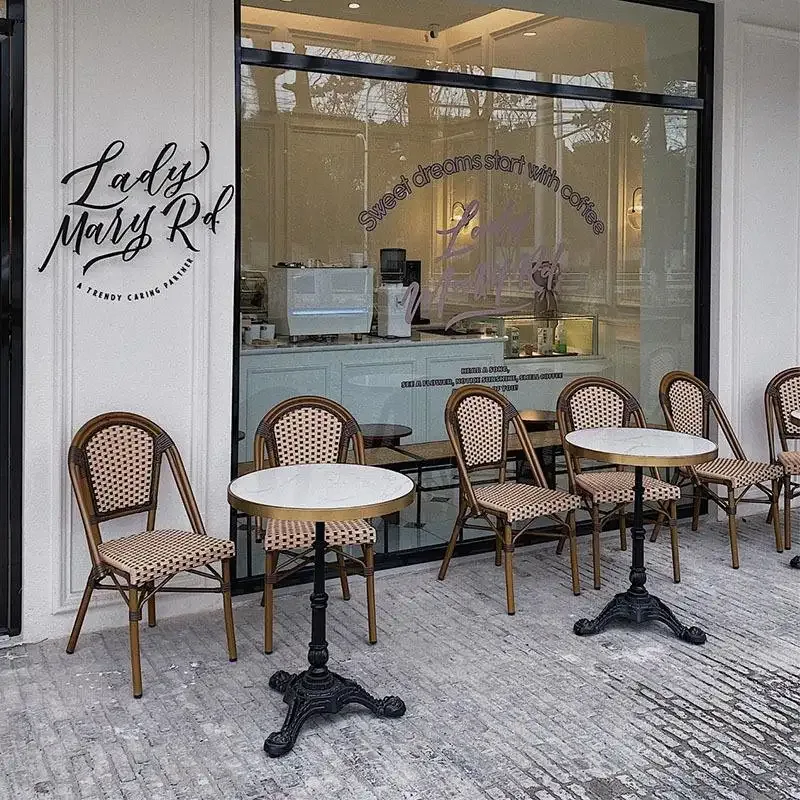
Commercial bar furniture works to a different height: 65 cm seats for a 90 cm counter and 75 cm seats for a 105 cm bar, both with a footrest. Restaurant bar furniture is usually ordered together with the counter stools so the finishes match. For the small two-seat tables near a window or on a pavement, bistro dining chairs with a woven or bentwood back stack easily at closing time.
Lobby, hotel and function rooms
Commercial lobby furniture and commercial hotel furniture favour lower, wider seats and upholstery that reads as residential while still meeting a contract specification. Custom restaurant furniture — a specific timber, a house fabric, a leg finish matched to the joinery — is most often requested for these areas. Function rooms go the other way: a light stacking chair that ten staff can set out in twenty minutes.
Terrace and exterior
Indoor chairs should not be moved onto a covered terrace and expected to last. Commercial exterior furniture and commercial lawn furniture use rust-proof frames, UV-stable finishes and quick-dry seats; see the outdoor restaurant seating range for chairs built for year-round exterior service.
Wholesale and Custom Restaurant Furniture
We are a Foshan factory producing for importers, distributors, fit-out contractors and restaurant groups — not a retail showroom. Restaurant chairs wholesale and restaurant chairs for sale on this site are quoted per model, per finish and per container.
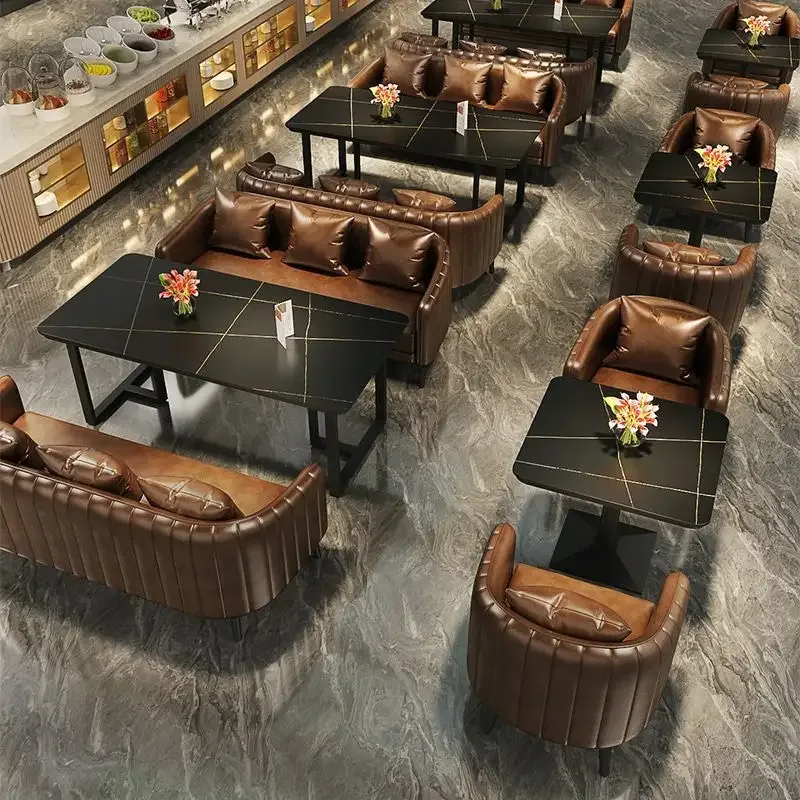
MOQ is 6 pieces per model, and models can be mixed inside one container, so a first restaurant supply furniture order can combine dining chairs, commercial bar stools and restaurant booth seating without meeting six separate minimums. OEM and ODM work covers frame dimensions, timber species, powder-coat colour, upholstery and carton marking; send a drawing, a photo or a physical sample and we will quote against it.
Commercial dining furniture is normally ordered as a matched set with tables so seat height, table underside and chair footprint are checked together before production. Samples take 7–10 days; bulk production is usually 25–35 days depending on quantity and finish, plus sea freight from Foshan or Shenzhen. Restaurant furniture chairs can be supplied knocked down for volume orders or assembled for smaller ones.
Commercial Restaurant Chair FAQ
The questions that come up before a first container of chairs is ordered.
What is contract grade furniture and do I need it?
Contract grade describes furniture built and tested for repeated public use rather than occasional domestic use. If chairs are used by paying customers every day, it is the specification you want: reinforced joints, wipeable upholstery and a documented load and cycle test level.
How is a chair for restaurants different from a home dining chair?
A chair for restaurants uses stronger joints, harder finishes and denser foam, and is checked for racking under repeated load. A residential chair of similar appearance will usually loosen and stain within a season of commercial service.
Can I mix chair models in one wholesale order?
Yes. MOQ is 6 pieces per model and different models, colours and finishes can share a container. This is the usual way a distributor builds an opening order of wholesale restaurant chairs.
Do you make custom restaurant furniture to our own design?
Yes. Frame dimensions, timber, metal finish, upholstery and packaging can all be specified. Send a drawing or a sample and we will confirm what is toolable before quoting.
Which seating works for a restaurant counter or bar?
Use a 65 cm counter stool for a 90 cm counter or a 75 cm bar stool for a 105 cm bar, both with a footrest. For low two-seat tables, bistro dining chairs stack and store more easily.
Can chairs be matched to tables and booths?
Yes. Table height, seat height and footprint are checked together before production. See restaurant tables and restaurant booth seating for the matching ranges.