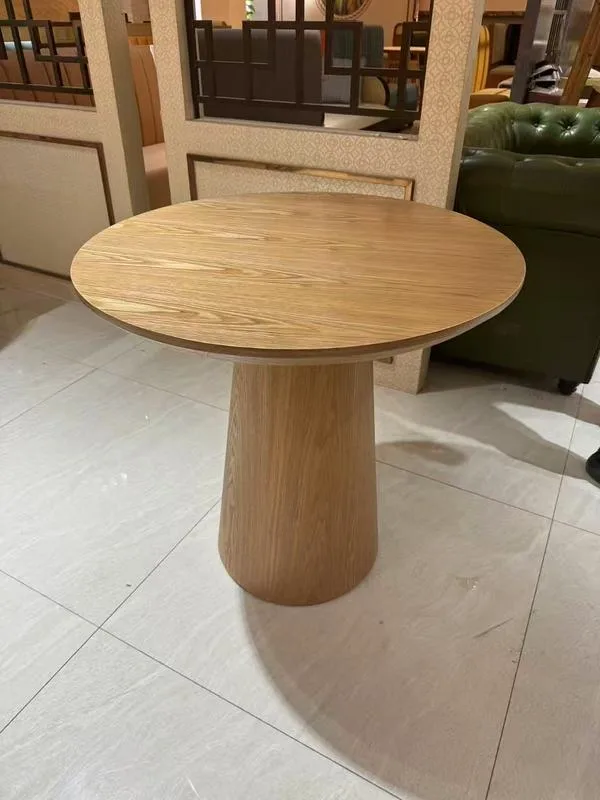
Commercial Dining Tables
Commercial dining tables and table bases for restaurants, cafes and banquet halls. Solid wood tops, laminate and marble-look surfaces with matching chair sets available.
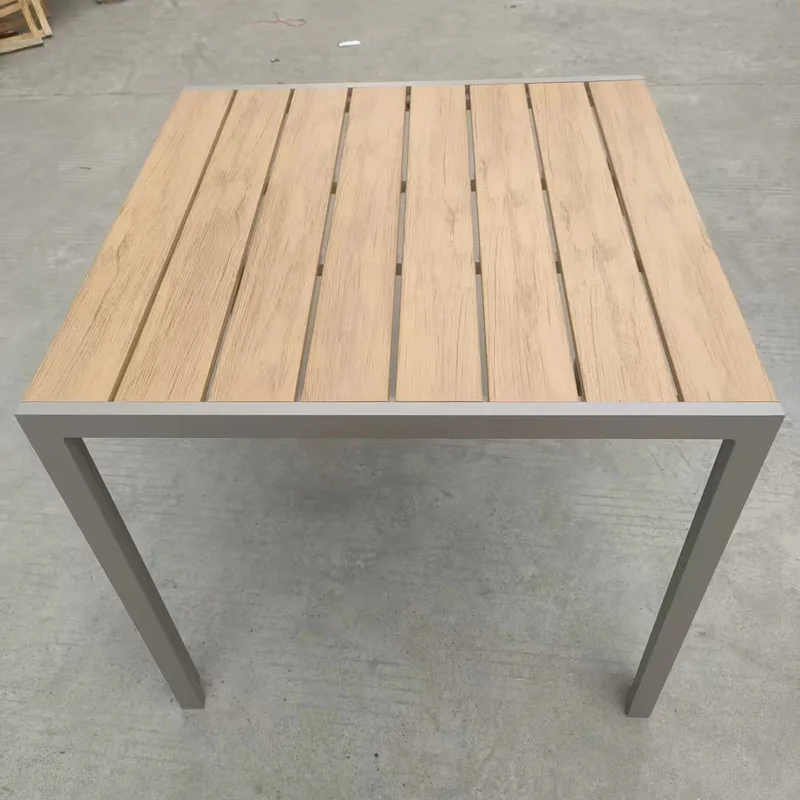
A2014
JP Outdoor Furniture Lounge Dining Table Minimalist
Modern · Leather/Velvet/Fabric
View Details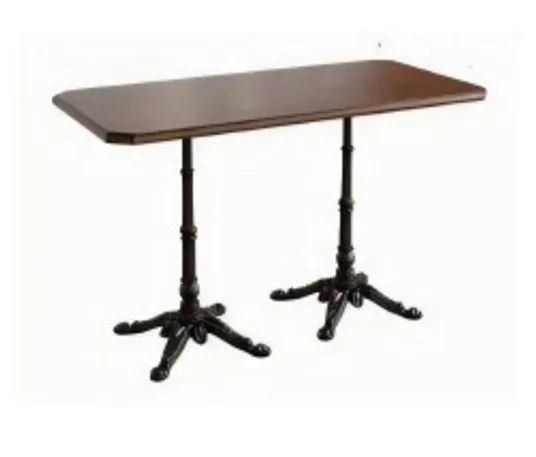
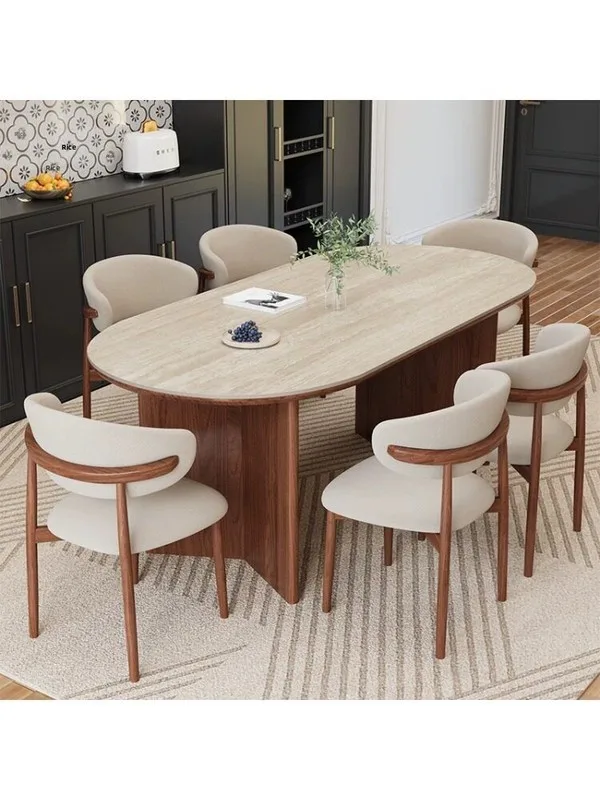
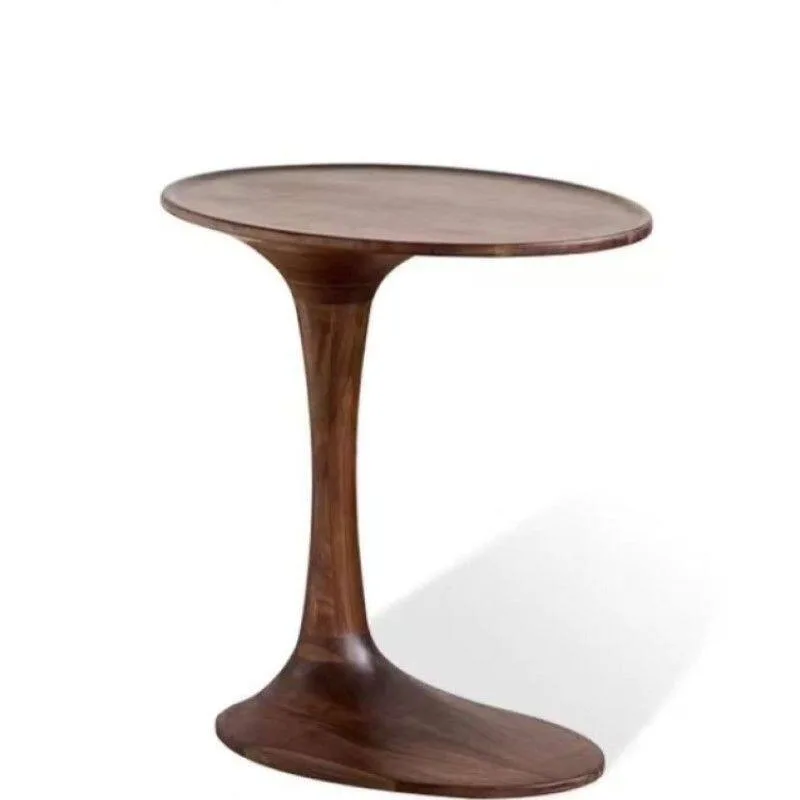
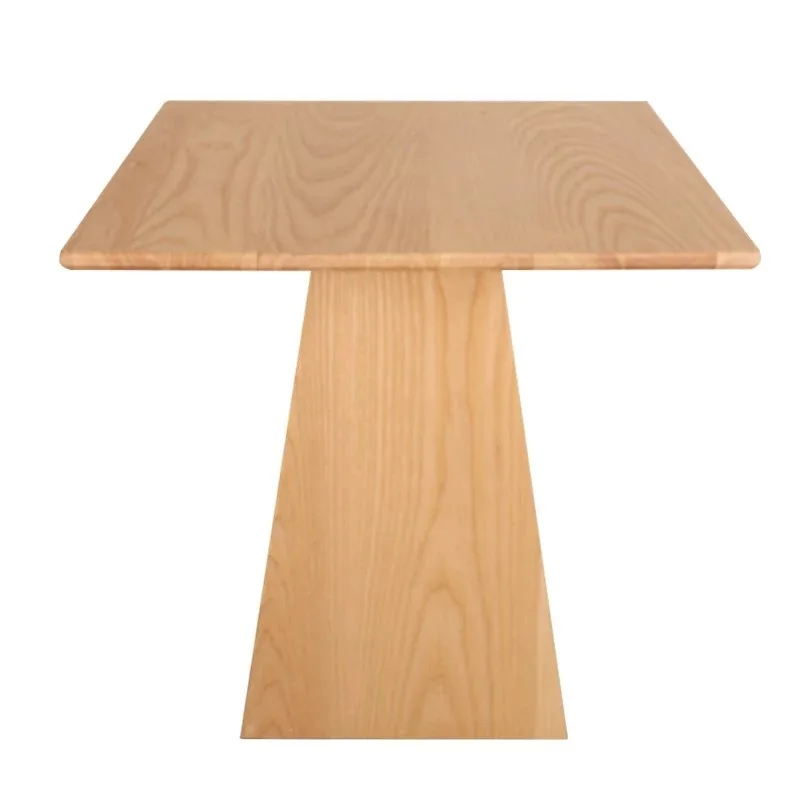
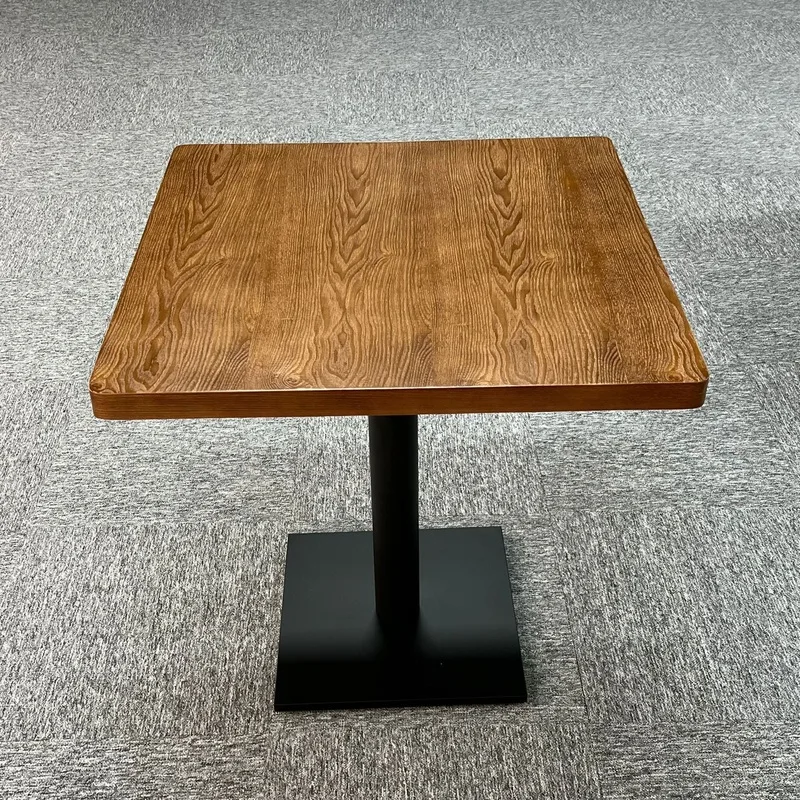
Commercial Table Types We Build
Every table is made to order in our Foshan workshop. Top size, edge profile, base type and finish are specified per project instead of being picked from a fixed catalogue.
Cafe tables
Cafe tables take more knocks per shift than any other table in a fit-out: cups dropped on the edge, chairs pushed in hard, cleaning chemicals every night. We build cafe table tops in 25 mm and 30 mm solid oak, ash or walnut, in HPL laminate over plywood, and in sintered stone for sites that want a marble look without the sealing routine. Square and rectangular tops are the practical choice for two-seat rows along a wall; round tops work better in the middle of a room where people walk around them.
Standard cafe sizes are 60 × 60 cm and 70 × 70 cm for two seats, and 120 × 70 cm for four. Tops can be ordered on their own if you already have bases, or as a complete table with a cast-iron, stainless steel or solid wood base.
Restaurant dining tables
Restaurant tables are usually specified as a two-, four- or six-seat module, then repeated across the floor plan. We build these as complete units — top, base and fixings — so the table height stays consistent across a whole dining room. The common specification is a 75 cm finished height with a 120 × 70 cm top for four covers, and a 150 × 80 cm top where the kitchen sends shared plates.
For high-turnover rooms we recommend a 30 mm top on a cast-iron or stainless base: the extra thickness survives being wiped down dozens of times a day, and the weighted base stops the table sliding when guests lean on it. Wood restaurant tables are finished with a commercial-grade lacquer or hard-wax oil; both can be spot-repaired on site instead of being replaced.
Bistro and pub tables
Bistro tables are the small, tight-footprint tables used in bars, pubs and pavement seating. The classic metal bistro table is a 60 cm round top on a cast-iron pedestal, but we also build square 70 cm versions and taller 105 cm poseur height for standing areas. Pub tables and chairs are normally ordered as a matched set so the seat height lines up with the table underside.
For outdoor pub tables and outdoor cafe tables we switch the top to HPL, teak or powder-coated aluminium and the base to galvanised or stainless steel. These are the versions that survive a wet winter on a terrace without rust bleeding onto the paving.
Banquet and folding tables
Banquet tables are built around storage and speed of set-up. Folding banquet tables use a steel frame with a locking leg and a laminated top, so a ballroom can be cleared and re-laid between events. Fixed banquet tables are heavier, usually 180 cm or 240 cm long, and are specified when the room layout never changes.
If you are working out a floor plan, start from the size table below: it lists the top dimensions we build most often and the cover count each one is designed for.
Commercial Table Sizes and Seating Capacity
Standard sizes we produce most often. Custom dimensions are available on the same tooling — send a drawing or a floor plan and we will quote against it.
| Seats | Rectangular top | Round top | Typical use |
|---|---|---|---|
| 2 | 60 × 60 cm / 70 × 70 cm | Ø 60–70 cm | Cafe, bistro, pavement seating |
| 4 | 120 × 70 cm | Ø 80–90 cm | Restaurant, pub, coffee shop |
| 6 | 150 × 80 cm | Ø 100–110 cm | Restaurant, banquet, hotel |
| 8 | 180 × 80 cm | Ø 120 cm | Banquet, event, communal dining |
Dining height is 75 cm to the top; counter height is 90 cm and bar or poseur height is 105 cm. Seat height should sit 27–30 cm below the table top for a dining chair, and 30–35 cm below for a bar stool with a footrest.
Tops and Bases
Tops and bases are quoted separately, so you can match a new top to bases you already own or replace bases on tops that are still serviceable.
Table tops
Solid wood tops are built from edge-glued staves in oak, ash, walnut or beech, 25 mm or 30 mm thick, with a straight, chamfered or bullnose edge. Laminate tops use an HPL face on a plywood core with a matching ABS edge — the usual choice for cafes and fast-casual rooms where the top gets wiped with disinfectant. Sintered stone and marble-look tops are available for hotel and fine-dining projects.
Table bases
We supply cast-iron pedestal bases, stainless steel cross bases, four-leg steel frames and solid wood legs. Cast iron is the heaviest and most stable option for round cafe tables; stainless steel is the better choice for outdoor and wet areas; wood legs are used where the table has to match a timber interior. Base plates are sized to the top so a 70 cm round does not tip when someone leans on the edge.
Commercial Table FAQ
The questions buyers ask most often before a first table order.
Can I order restaurant table tops without bases?
Yes. Tops and bases are quoted separately. Send the top size, thickness and edge profile, and we will quote tops alone or as a complete table.
What is the difference between a cafe table and a bistro table?
Both are small two- or four-seat tables. Bistro tables are usually round, 60–70 cm across, and built on a single pedestal so they fit tight floor plans; cafe tables are more often square or rectangular and are frequently ordered with matching chairs as a set.
Are your tables suitable for outdoor use?
Indoor tops in solid wood or laminate are not recommended for uncovered outdoor areas. For terraces and pavement seating we use HPL, teak or powder-coated aluminium tops with galvanised or stainless steel bases.
What is the minimum order for commercial tables?
MOQ is 6 pieces per model. Models and finishes can be mixed inside one container, so a first order can combine cafe tables, restaurant tables and chairs.
Do you supply tables and chairs as a matched set?
Yes. Table height, seat height and chair footprint are checked together before production, which is the usual cause of chairs that do not tuck under the table. See the commercial restaurant chairs range for matching seats.
How long does production take?
Samples are 7–10 days. Bulk production is typically 25–35 days depending on quantity and finish, plus sea freight from Foshan or Shenzhen.